Showing posts with label teeth. Show all posts

Monday, 1 October 2018

How Apples are Good for Your Teeth


People have been asserting that “an apple a day keeps the doctor away” since the 19 th century. While it may not necessarily be true that those who eat apples never have to see a doctor, apples certainly have great health benefits for our bodies! Did you know they can even be good for our teeth? Let’s take a look at what the research says …

It’s widely thought that chewing a crisp, fresh apple can help brush away plaque on our teeth. We’re not too sure on this one, as some studies show a higher plaque content on teeth after eating an apple. At the same time, there is evidence to suggest some polyphenols in apples can lower the ability of cavity-causing bacteria to adhere to teeth. Further, some studies have shown that the antioxidants in apples can help prevent periodontal disease.

Apples even contain a (very) small amount of fluoride. This is worth noting, as fluoride is so important in helping prevent cavities.

Lastly, the act of chewing an apple stimulates saliva production. Saliva helps wash away food debris and bacteria. Remember, though, apples contain sugar and acid so it’s best not to go overboard with them. You can even swish with water after eating one to wash away some of the sugar left behind.

As the science continues to look into how apples affect our teeth, one thing we know is true: regular dental visits, along with daily tooth brushing and flossing, is your best defense against tooth decay!

Monday, 29 August 2016

How do implants work?


Dental implants have become the preferred method of tooth replacement because of their natural look and unsurpassed functional ability. To understand why implants work so well, it is important to understand the process of “osseointegration,” which occurs when bone cells in the jaw attach themselves directly to the surface of the titanium implant. First noted by a Swedish researcher in the 1960s, osseointegration essentially locks the implant in place, enabling it to support anything from a single missing tooth to a full arch (all teeth in the upper and lower jaw). Osseointegration is the same process that hip implants rely on to ensure the functional integrity of replacement joints. It is strength that can be relied upon. 

Here is another great resource : http://www.mouthhealthy.org/en/az-topics/i/implants


Tuesday, 9 August 2016

Olympians Face Big Hurdle

We are really enjoying watching the Olympics! Whether it is swimming, weightlifting, or volleyball Dr. Nijjar & Dr. Ruchi and their family is watching EVERYTHING!


We all know how hard Olympians must work to reach the Olympics. But that training can play a toll on their teeth. Think about it...what effect can energy drinks, gels, bars, and frequent snacking have on athletes’ teeth? 

The dental director for the International Olympic Committee reveals that a great many Olympic athletes have broken teeth, abscesses, decay, and other dental issues. The problem is that many of them consume acidic, sugary drinks and energy bars that attack teeth while their dehydrated bodies do not produce enough saliva to remineralize their tooth enamel. In addition, most Olympic athletes are ages 16 to 25 years old, which is a group at high risk for tooth decay. As these young adults fly the family nest and focus on only qualifying for the Olympics, they become more susceptible to tooth decay. 

Athletes and exercisers take careful note. 

Many competitive athletes grind their teeth at night, probably in response to the competitive pressures they face. 

Tuesday, 21 June 2016

The Perfect Road Map For Your Child’s Oral Health

On July 3rd, 1806, two years into their journey to chart the uncharted west of America, pioneer explorers Meriwether Lewis and William Clark reached a challenge of epic proportion – the Rocky Mountains. What next, they wondered? Without a map, they were forced to do what explorers do – explore, and hope for the best. So, that got us thinking. Wouldn’t it be nice to have a handy map you could use to chart your own dental health? With that in mind, and in honor of our “Dog Days of Summer” explorers, we at Dr. Nijjar & Dr. Ruchi's office wanted to share with you a few mile markers you can use to stay on top of your child’s health today, next year, and for years to come!
 

6 to 24 months
 

When you’re a new parent, life is a whirlwind, and the dental care of your newborn may not be top of mind when you look in their mouths and see no teeth! Here are some things to keep in mind: 

Schedule a visit: As soon as that first tooth comes in, you’ll want to give us a call at 510-794-7058 to schedule a visit and set up a periodic exam schedule. Also, be aware the ADA recommends fluoridated toothpaste now for all children under the age of three. Don’t wait!

Ask us about:
  • Home hygiene basics: Things like, tips and tricks on brushing and other care. There’s nothing better than having our hygienists give brushing tutorials – they’re experts!
  • Preventative dentistry: The possible need for fluoride supplements
  • Dietary strategies: Achieving a balanced diet early in life for good oral health later
  • Feeding practice awareness: Bottle, breastfeeding, and no-spill training cups
  • Non-nutritive oral habits: Thumb sucking, pacifiers

2 to 12 years old
 

Ah, the little ones are growing up. Teeth are coming in at all sorts of crazy angles, and you’re going crazy from the rise in obligations. Here’s a quick list of what to consider during this time frame:
  • Preventative dentistry: Pit and fissure sealants can do wonders for keeping your child’s dental bills down, and their teeth in their head until they’re ready to fall out naturally. Ask us about them. They’re affordable AND useful. And, super-fast, you’ll be in and out in no time.
  • Orthodontic Consultation: Visiting an orthodontist for an early consultation is best done around your child’s seventh birthday. With today’s technology, early intervention can reduce the cost and duration of braces when your child gets older. 

The Teen Years
 

The years “everything” happens! As children start to come into their own, new habits and desires begin to unfold as well. You’ll have to address every imaginable concern during these years, from piercings, to calls for whitening, braces, and the need to refer yourself away from your pediatric dentist and to a general dentist for continuing oral care. So, speak with us about: 
  • Cosmetic Dentistry: What solutions are advisable now, and what things should be avoided.
  • Teen social pressures: Smoking, alcohol, intraoral/perioral piercings and the like. Believe it or not, we can help a lot with this. We might be able to arrange for that person to help when your teen comes in so they can address these concerns with an intermediary they trust. Give us a call at 510-794-7058 to see how we can help!
  • Orthodontics: Options for minimizing appearance and health problems later in life.
  • Home hygiene tips: Brushing, flossing, choosing the right mouthwash.
  • Craniofacial injury prevention: With your children’s possible participation in sports, you’ll want to get them a mouthguard. Hands down it’ll be one of your best investments in a healthy mouth. And we make great ones at Dr. Nijjar & Dr. Ruchi's office!
Staying on top of your child’s oral health isn’t as hard as you think, and if you keep this schedule handy, you’ll be ahead of most of your neighbor's kids when it comes to a healthy mouth and body. Come to think of it … why not share it with them as well? They’ll thank you for the help.

Friday, 6 May 2016

Celebrity Smiles


When you see celebrities with gorgeous white teeth, chances are they have undergone a smiletransformation that involves porcelain veneers. These thin, custom-fabricated shells made of tooth-colored materials are used to resurface the tooth. 

They also provide very satisfactory results when used to close overly large spaces and correct minor irregularities and crookedness of front teeth. 

Materials used for veneers include materials like composite (white filling material), but porcelain is often preferred for its durability, stain resistance, and natural look. The big advantage that veneers provide over tooth crowning is that they require very little alteration of the natural tooth beyond removal of sufficient enamel to accept the thickness of the veneer. The results are extraordinary. 

Thursday, 11 February 2016

DIY Valentine Idea

We saw this on Pinterest and couldn't help but share.


We will all be surrounded by sweets this weekend. Be sure to Brush 2x a day and Floss 1x a day! And try to limit yourself to only chocolates after meals -- the saliva that was built up from the meal will help wash away the harmful sweets and bacteria. And this will hopefully PREVENT cavities! :) 

HAPPY Valentine's Day!

Sunday, 7 February 2016

Does Gum Health Affect the Heart?

While there have been many recent studies showing that people with gum (periodontal) disease are at increased risk for heart disease, a 2012 American Heart Association review cast some doubt on this conclusion. 

However, a more recent study published in the Journal of the American Heart Association provides proof of a causal link between gum disease and heart disease. In the most recent study, researchers tracked the gum health of 420 people (average age 68) for three years by conducting clinical exams and analyzing certain bacteria that cause gum disease. This information was correlated with changes in narrowing of the arteries (atherosclerosis) in the carotid artery observed via ultrasound. They found that, as gum health improved, carotid narrowing slowed significantly. 

In addition, the study controlled for factors such as smoking, diabetes, age, blood pressure, and blood cholesterol, provides the “most direct evidence yet” that treating gum disease can prevent or slow atherosclerosis. 

Brush twice a day, floss once a day, and see Dr Nijjar and Dr Ruchi regularly to help keep your heart healthy!

Wednesday, 27 January 2016

Dr Ruchi Sahota quoted in U.S. News

An article in U.S. News today featured quotes by Dr Ruchi. 


The list encourages avoiding sugary foods, kicking that nail biting habit, and neglecting baby teeth. But those are just a few. 

Check out the who list and tell us what you think in the comments section below.

Tuesday, 26 January 2016

When should you replace your toothbrush?

We've all heard the "3 month rule". Do you know what that rule is all about? Why do dentist's usually recommend that you replace your toothbrush after three months?

Experts say that bristles usually wear away in about 200 uses. If bristles are worn away, they may not be cleaning your teeth properly.

You should also replace your toothbrush after you have been sick. Bacteria can stick to the bristles and you do not want those bugs sticking around after you have gotten over being sick!

The most important thing you need to know about your toothbrush is: how to use it!

Check out this video of Dr Ruchi Sahota on www.mouthhealthy.org for some great tips:


Sunday, 29 November 2015

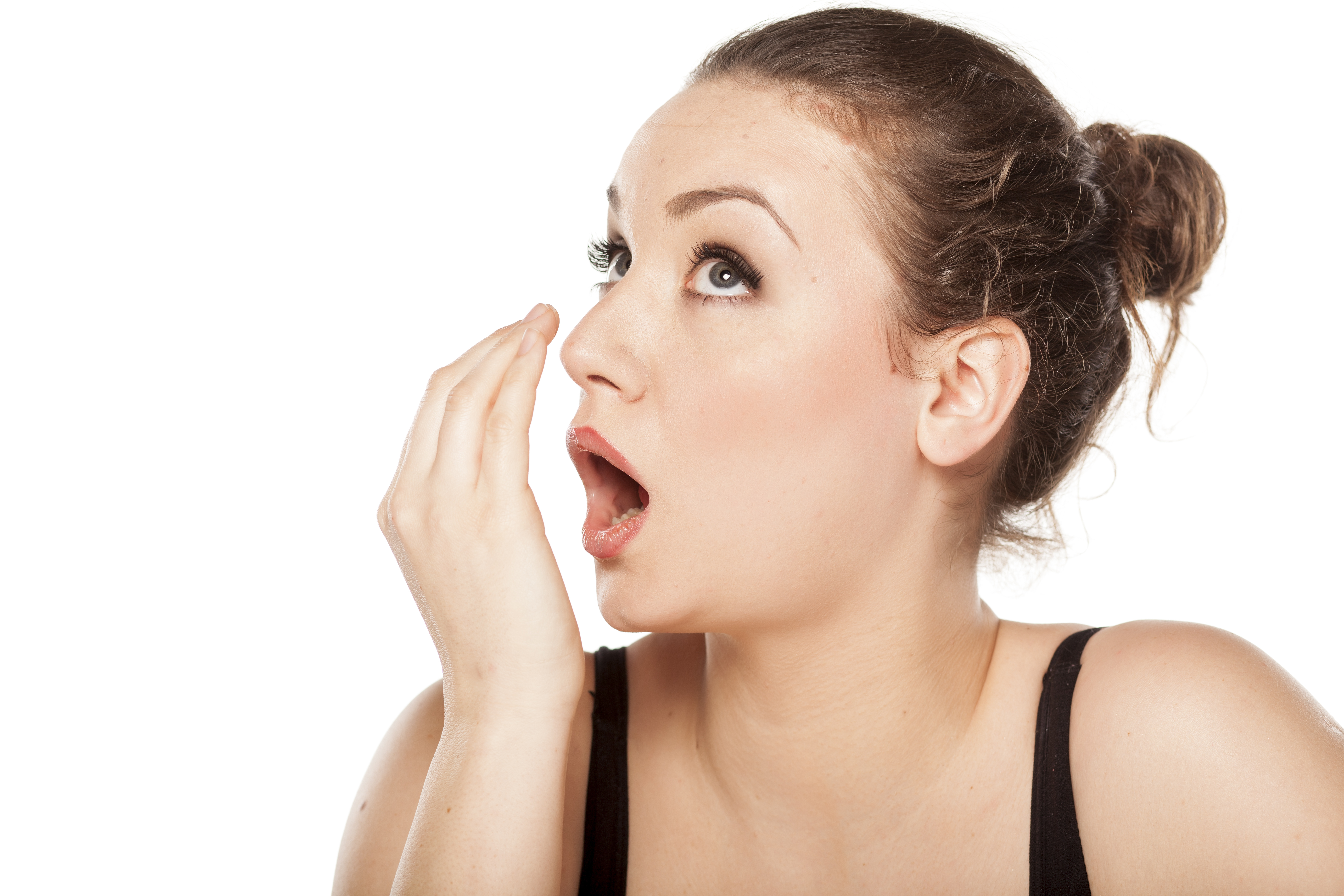
How to get rid of your bad breath

There's an app for everything these days... even an app for figuring out why you have bad breath!? That's hard to believe... bad breath is usually a puzzle only a dentist can solve. 


Ridding yourself and those around of you of your bad breath starts with determining the real cause!

Dr. Ruchi has been interviewed about this topic a few times. Check out these articles:

  1. Oprah Winfrey OWN 
  2. Completely you: The guide to looking and feeling great

According to the American Dental Association, bad breath is usually caused by the following factors: 
  • Food. What you eat affects the air you exhale, like garlic or onions. If you don't brush and floss daily, particles of food can remain in the mouth, collecting bacteria, which can cause bad breath. Dieters may develop unpleasant breath from infrequent eating.
  • Gum disease. Persistent bad breath or a bad taste in the mouth can also be one of the warning signs of gum disease; which is caused by plaque.
  • Dry mouth. This occurs when the flow of saliva decreases and can be caused by various medications, salivary gland problems or continuously breathing through the mouth. Without enough saliva, food particles are not cleaned away. If you suffer from dry mouth, your dentist may prescribe anartificial saliva, or suggest using sugarless candy or increase your fluid intake.
  • Smoking and tobacco. In addition to staining teeth and being bad for overall health, tobacco can add to bad breath. Tobacco reduces your ability to taste foods and irritates gum tissues. Tobacco users are more likely to suffer from gum disease and are at greater risk for developing oral cancer. If you use tobacco, ask your dentist for tips on kicking the habit.
  • Medical conditions. Some diseases have symptoms related to bad breath. Sinus or lung infections, bronchitis, diabetes, and some liver or kidney diseases may be associated with bad breath.

Friday, 23 October 2015

Did you know candy wasn't always a part of Halloween?

Along time ago, trick-or-treaters were given non candy treats such as homemade cookies, fruits and toys. 

History.com reports,

"For most American kids, it wouldn’t be Halloween without trick-or-treating for candy; however, that wasn’t always the case. When the custom of trick-or-treating started in the 1930s and early 1940s, children were given everything from homemade cookies and pieces of cake to fruit, nuts, coins and toys. In the 1950s, candy manufacturers began to get in on the act and promote their products for Halloween, and as trick-or-treating became more popular, candy was increasingly regarded as an affordable, convenient offering. It wasn’t until the 1970s, though, that wrapped, factory-made candy was viewed as the only acceptable thing to hand out to all the little ghosts and goblins that showed up on people’s doorsteps. A key reason for this was safety, as parents feared that real-life boogeymen might tamper with goodies that weren’t store-bought and sealed"